Skip to content
All work
WebIntegrations2026 · ~2 min read

A tutor's online platform: lessons, homework, schedule

The teaching lives in one place: a weekly schedule, homework with statuses and marks, a library of materials, and the lesson itself with video and a shared whiteboard. Three roles — pupil, tutor and support.

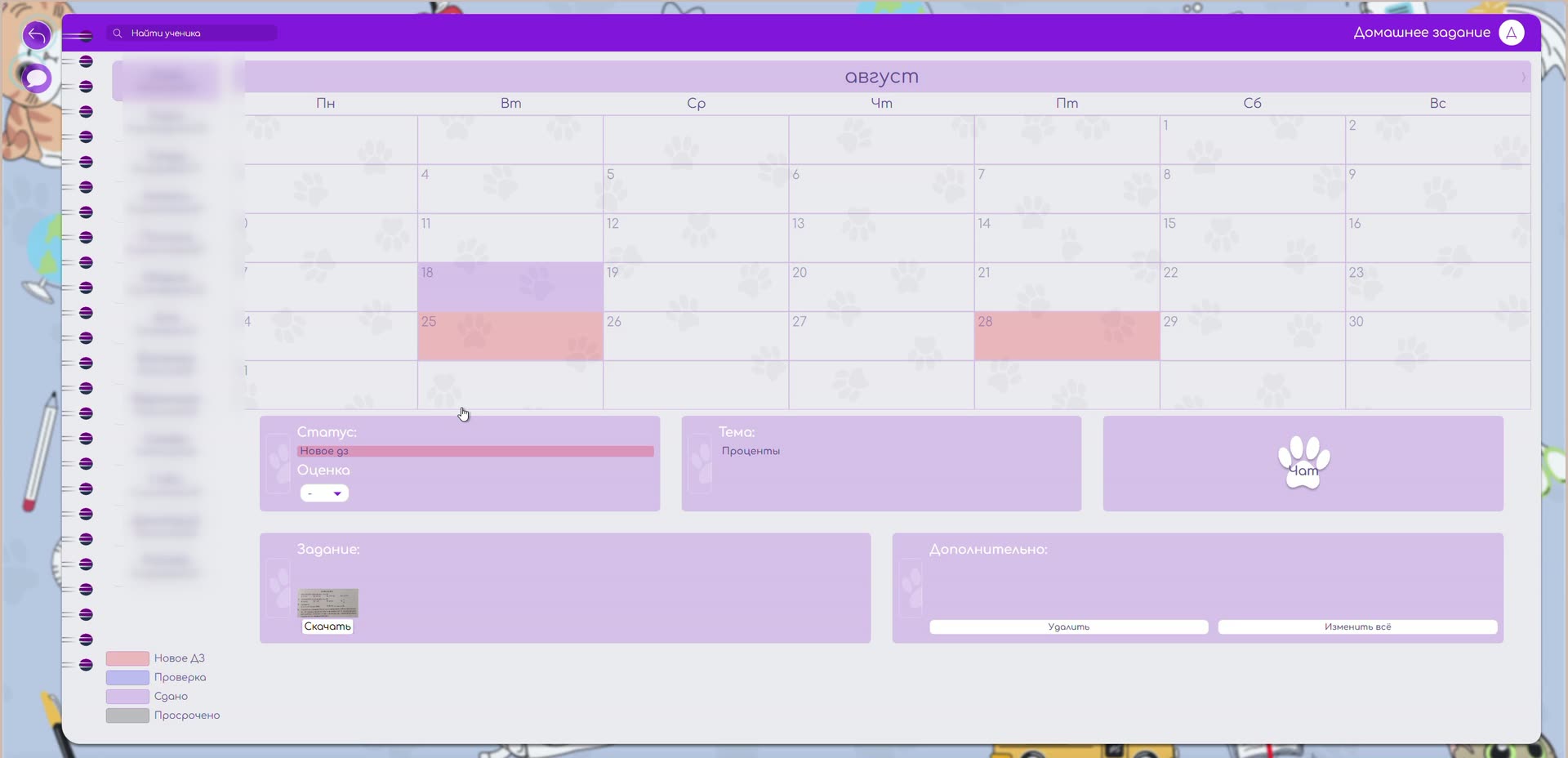
The pupil list, homework across the month, and one task opened up. Children's names are covered; the generated identifiers beside them are not — they lead to nobody.

# The problem

The client is a tutor working with pupils online. There are dozens of them, in different school years and with different aims: some filling gaps, some keeping a level. This normally sits in separate places. The call in one service, the whiteboard in another, tasks sent as files over a messenger, the schedule in a calendar, and who handed in what in the tutor's head. The pupil has to remember where everything lives, and part of the lesson goes on "hold on, I'll send the link". Hence the requirement: one place where it all happens. The lesson starts from the schedule, the task sits beside the lesson, and its state — new, being checked, handed in, overdue — is visible to both without a conversation.

# The solution

Three roles: pupil, tutor and support. Each has its own access and its own set of screens over the same data. The schedule is a weekly grid where a lesson carries a state: new, finished, missed, cancelled, first meeting. Homework is laid out across the month and coloured by status, and each task opens into a card with its topic, attachment, mark and a chat about that task alone. One decision stands apart, and it was the client's own. Every pupil gets an automatically generated, pronounceable identifier — "Yellow34", "Emerald35", "Lemon49". Not a string of digits nobody can read out, but two words easy to say aloud: the question becomes "what are you signed as" rather than "what are your numbers". The side effect turned out to matter more than the intent — the system can work without calling a child by name. Notifications go through VK: where a schoolchild already is, rather than an inbox they never open. The hardest part is the lesson itself. Video and a shared whiteboard over WebRTC and WebSockets, synchronising whatever either person draws. The first version works, and we are rebuilding it now: it showed what it actually needs to do in real lessons. Built on my own FastAPI framework, with the administrative side plugged in as a module.

# The outcome

It runs. Development took four months — the longest of my projects, and nearly all of the extra time went into the lesson: video, the whiteboard, and keeping state in step between two browsers. I have no metrics; the statistics are the client's. The recordings are anonymised more strictly than usual. Pupils' names are covered everywhere, and permission from the client changes nothing here: they may release their own data, not a child's. The generated identifiers are left visible — they lead to nobody, and they show exactly what they were meant to.

# How it works

  1. PupilSees their schedule, tasks and materials, hands work in and joins the lesson from the same place. In the system they are signed by a generated identifier rather than a name.
  2. Lesson · WebRTCVideo and a shared whiteboard. Either person draws and the other sees it at once — the board's state travels over WebSockets. The heaviest part of the project, and the part being rebuilt.
  3. TutorRuns the schedule, sets tasks, marks work and reviews what came in. Sees every pupil at once instead of searching a chat for who stopped where.
  4. API · GraphQLOne set of data for all three roles, with access separated: who sees what and who may change it is decided here, not in the interface.
  5. SupportA third role with its own access, for sorting out accounts and data when something has gone wrong. Built on my framework's admin module rather than written again.
  6. VKThe notification channel. Chosen by audience rather than by taste: a schoolchild reads messages there and never opens email.
  7. PostgreSQLPupils, lessons and their states, tasks with marks and attachments, materials, and the history of sessions.
  8. RedisCache and message passing between processes — what a live lesson and change subscriptions need.

Dashed: not my work — platforms and the client’s own systems

Next project

Appointment booking for a children's clinic

Need something similar?

Discuss the task